
Your cart is currently empty!
Search results for: “R”
-

Security System Upgrade – When and Why is it Important?
Most homeowners experience excitement when installing their first home security system but as time goes on, they tend to overlook the evolution of truth – a security system is not a once-in-a-lifetime investment. In order for home security to be and remain efficient, they need to be upgraded every so often. Nevertheless, some homeowners keep their same security systems for decades and tend to think as long as it functions, there’s no need for a new one. In some ways, you could argue that they have a point, right? As the old adage goes, if it ain’t broke, don’t fix it. But if there’s anything that life has taught us all it is that change is inevitable, which is why it’s important to consider essential options to raise the efficiency of your home security system by upgrading.
Older security systems are tethered to cameras that rely on outdated technology. For example, the quality and resolution of footage captured by these devices may appear grainy and lack details, especially after zooming in, thereby making it impossible to identify thieves.
Over time, other faults such as malfunctioning motion detectors that trigger false alarms due to errors, become apparent too.
One of the biggest threats for any homeowner with an older security system is that most of them still rely on a landline in order for them to work properly. Savvy burglars can easily disable the entire unity by severing the line, thereby leaving your entire house unprotected. Upgrading to a modern home security system would bring your home security up-to-date and make it independent from the landline by using wireless monitoring via cell towers instead.
In addition to making your home safer, newer security systems provide unparalleled convenience compared to their predecessors. For example, upgrading an older alarm panel board will allow you remote access to your home security system via smartphone. Even small things like keypads can be upgraded to a whole new level. Say goodbye to those plain rubbery buttons and exchange them with new features like fully colored touch screens, date, time, and even weather forecast.
Security System Upgrade with EMC Security
Ready to take the plunge into the latest advances in home security? Contact EMC Security to schedule a visit from one of our technicians or shop our line of smart home security devices by visiting us online.
-

Best Place to Put an Indoor Security Camera
Every home could use an indoor security camera as an extension of their home security system. They are great for peace of mind when you have a new baby, kids at home
alone, It’s important to remember that security cameras are not a replacement for monitored home security systems. They are to simply add an extra layer of security. If you want to feel safe and secure inside your home, you should purchase a security system with professional monitoring so if an intruder gets inside, you will have help – quickly.
Below are 5 places inside your home that you should consider for an indoor camera:
Front and Back Doors
- It makes sense to monitor the main entrances of your home. Most burglars will try the front doors first, and
then side and back doors next. - For indoor security, point the camera directly at the door. If possible, aim to keep the camera about 7 feet off the ground pointing down at a slight angle. This is ideal to capture a clear view of an intruder’s face.
First Floor Windows
- If an intruder cannot get in through a door, they might try the first-floor windows. Having a security camera sit on a table facing the window (diagonally to reduce glare) can work as a great deterrent. Because burglars know more about home security and security systems than most law-abiding citizens, they might deduct that they have been caught on video and make an escape.
- Cameras may deter would-be burglars, or record their crime, but they do not physically reinforce your first-floor windows. Installing a security system with sensors on both your doors and windows should always be a priority in making your home the most secure.
Master Bedroom
- The master bedroom is usually the first place a burglar heads to because many valuables are stored here.
The master is also a great place for a camera with two-way audio. Speaking to the intruder directly might cause them to flee the scene without taking anything.
Stairways
- Home burglaries happen very quickly, and as a result, the criminals are in and out of the home in minutes. The stairs are an area that forces a person to slow down, especially on the descent. Placing a camera here guarantees two looks at the perpetrators, as they will need to go up and down.
Garages & Sheds
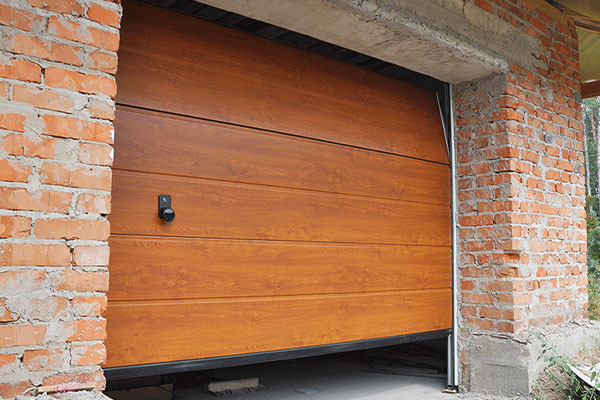
- Approximately 9% of all break-ins occur through garage doors. But even if your home isn’t invaded, open garages can offer a wealth of opportunities to steal resalable items. Place the camera inside the garage at an angle, facing out to reduce glare.
Check out EMC Security’s selection of video cameras at emcsecurity.com.
- It makes sense to monitor the main entrances of your home. Most burglars will try the front doors first, and
-

Keeping Your Home Safe This Christmas
Christmas should be about enjoying time with your family, opening gifts, and watching holiday movies, not worrying about the safety and security of your home while you are away!
Here are 6 tips to make sure your home stays safe while you are traveling this Christmas.
1. Put your mail on hold.
The sight of stacks of mail sitting on your front porch and driveway is a major indicator to burglars that you are away from home. If you don’t want to put your mail on hold, see if a neighbor can collect it for you while you are out of town. Following these simple steps can keep your home safe by taking away this obvious signal that your home is vacant.
2. Install a home security system.
Knowing that your home is being monitored 24 hours a day by security can relieve a lot of your concerns. You can rest assured that your home and belongings are safe by using smart technology that offers mobile access for you to check your home while you are away. EMC Security offers security systems for every budget, whether you are protecting your first apartment or your luxury dream home.
3. Set your lights to turn on with timers.
A dark house can show others that your house is vacant. Setting some of your lights on timers to go on and off throughout the night is a great way to avoid the appearance that you are away from your home.
4. Be careful with social media.
As fun as it is to share your holiday celebration on Facebook and Instagram, don’t divulge too many details about your travel plans. Social media can be dangerous, even when your privacy settings are turned on. Once you post information, it’s out there and impossible to control or prevent others from sharing your post.
5. Turn the ringer down.
If you have a home phone, make sure that you turn the volume of the ringer down or off altogether. Then nobody outside will be able to hear the phone ringing repeatedly and going unanswered, tipping them off that you are not at home.
6. Lock up.
Making sure that your doors and windows are locked seems obvious but you’d be surprised at how many home invasions occur due to houses being left unsecured.
At EMC Security, we know how important it is to keep your family and the home you’ve worked so hard to build secure, so we are committed to serving homes in Georgia to keep you safe!
-

What is the Best County in Georgia to Live
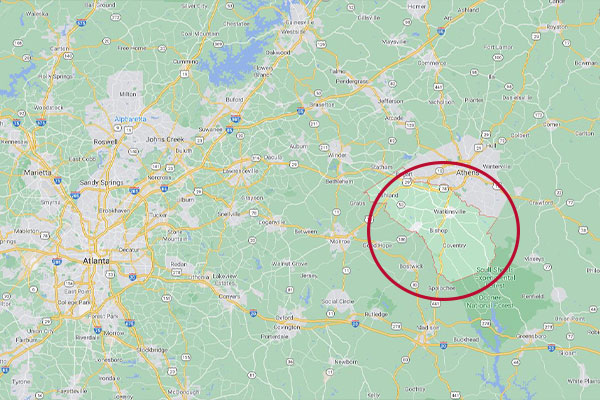
According to Niche, Oconee County gets an A+.
Ranked as #1 for three of the top 4 categories:
- Best for Families
- Best Public Schools
- Best to Buy a House
Best for Families
According to Niche, “Many families live in Oconee County and residents tend to be conservative. ”
The county is safe with low violent and property crime rates. A review on the Niche writes,
“It’s a safe and clean place that is well suited to raise a family. The schools are great and the cost of living is very good also. It’s suburban to rural which makes for a pleasant and quite atmosphere. If you want a more bustling scene now and then a major city with a large international airport is just over one hour away.”
Best Public Schools
Ranked #2 (behind Buford City Schools), Oconee County schools receive a grade of A.
Located in Watkinsville, GA, there are 8,019 students in grades PK, K-12 with a student-teacher ratio of 16 to 1. The average graduation rate is 94% with an average ACT of 1210.
According to state test scores, 70% of students are at least proficient in math and 67% in reading.
“I went to school in Oconee County k-12. It is a great place to get educated. It totally prepared me for my college experience. I loved all of my teachers. In high school, the accelerated, honors, AP and dual enrollment programs are great. I took honors, accelerated and AP courses during all four years and the teachers were all fantastic. I’ll forever be grateful for my academic experiences are OCHS.”
Best to Buy a House
With a population of 37,000, Oconee County is located approximately 70 miles from Atlanta, and is ranked #1 as the best place to buy a house. A whopping 83% of residents own their home, with median home values at $268,000.The unemployment rate in the county is historically lower than the U.S. average, but compared to the rest of the nation, the cost of living is 7% higher.
No matter where you live, even in one of the safest counties in Georgia, EMC Security can help simplify your life.
- Protect your home and family from unwanted intruders with a security system.
- Add fire protection and monitor for smoke and heat – for no extra monthly cost.
- Smarten up your home with auto-lights, locks, and thermostats. You’ll be amazed at how easy it is to control your home functions through one app, possible saving on power bills as well.
- Add the convenience and peace of mind that security cameras provide. Keep an eye on what goes on around your house and yard, your pets, aging parents, kids home alone and packages being delivered.
Source: www.niche.com
-
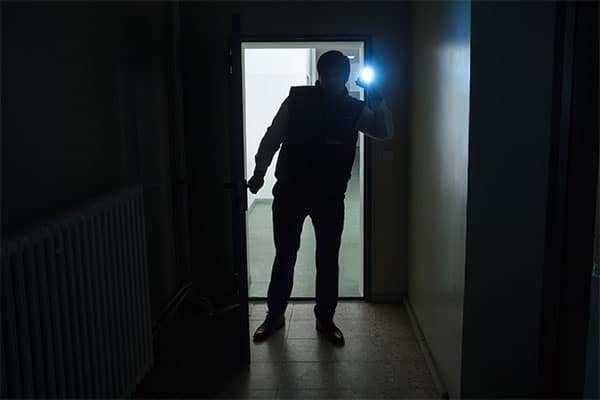
8 Ways You May be Inviting Intruders Into Your Home
According to the FBI, the average financial loss from a burglary is more than $2,000
Despite taking every precaution, some homeowners unwittingly attract burglars to their property. Here’s how.
Your home is dark
Criminals steer clear of a well-illuminated house. Leave on porch lights to discourage burglars from approaching entry doors, and install bright motion-detector lights around your home’s perimeter to dissuade them from searching for an open window.
No cars in driveway
Criminals prefer breaking into vacant houses, so empty driveways are an open invitation for a robbery. Ask a neighbor to park in your driveway when you go on vacation—especially if you’ll be gone for more than a few days.
Unlocked windows
After checking the front door, thieves often check for unlocked windows, which serve as an easy entry point. Before you leave the house and before you go to bed, close and lock all windows on the ground floor as well as second-floor windows that could be relatively easily accessed. Also, close the drapes so would-be intruders can’t scope out the contents of your interior, as any expensive object in plain sight may tempt them.
Unkempt Yard
An overgrown lawn and poorly maintained landscaping indicate that residents may be away on an extended vacation. Additionally, overgrown bushes can offer protective cover for intruders as they break into your home.
Oversharing
Criminals scour social media for future targets. Posting your travel plans on Facebook or Instagram is akin to putting a big sign in your front yard announcing that you’ll be gone.
Stuffing the mail box
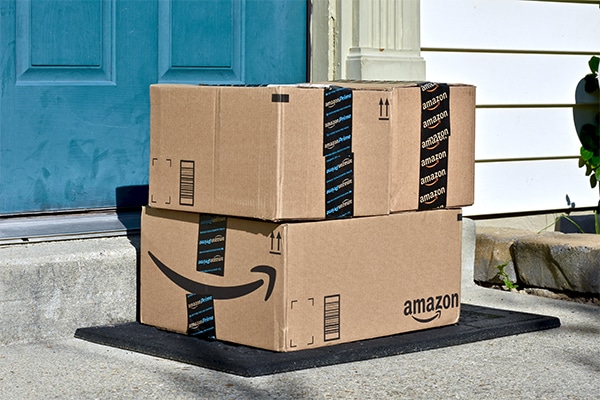
Ask a neighbor or friend to stop by your home daily to pick up mail, newspapers and packages. This type of clutter is a dead giveaway that you’re gone.
Leaving the garage door open
In addition to risking your belongings being taken from your garage, chances of the door to the house being unlocked are pretty good.
No visible security system or cameras
Homes without a security system are 3 times as likely to get broken into. Most burglars surveyed said they’d pass by a home with a visible security camera as well. Security systems are very affordable from just $179 – check out EMC Security’s options here.
-

EMC Security Saved Our Home From Fire
Most Common Causes of Home Fires
In 2019, fire departments in the U.S. responded to an estimated 361,500 home fires. These fires caused roughly 2,870 deaths and 12,700 reported injuries. Property damage was estimated at $7.9 billion.
Smoking – #1 cause of deaths
Most smoking-related fires start inside the home, often originating from upholstered furniture, bedding, or mattresses. Always smoke outside, thoroughly extinguishing cigarettes in an ashtray when finished.
Cooking equipment – #1 cause of fire injuries.
If you leave the kitchen—even for a brief period of time—turn off the stove. Wear short, close-fitting, or tightly rolled sleeves when cooking. Always keep children away from active cooking areas.
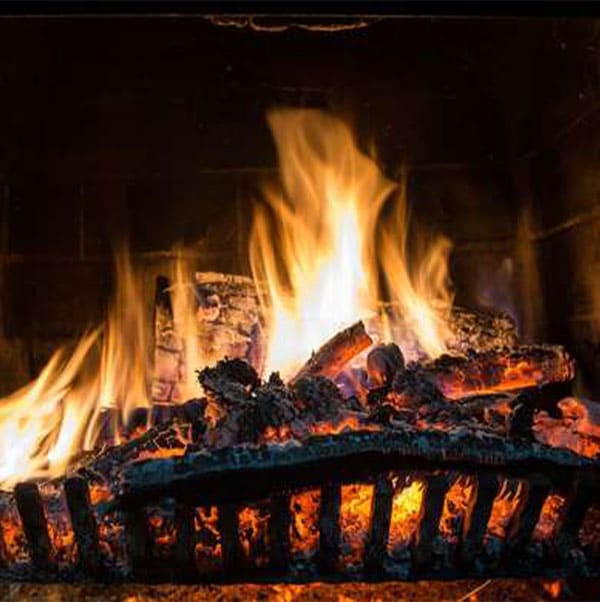
Fireplace
To prevent an accident, install a spark screen or glass door in front of the firebox to protect the surrounding area from stray sparks and rolled logs. Check chimneys annually to ensure that creosote hasn’t built up, and never leave a fire unattended.
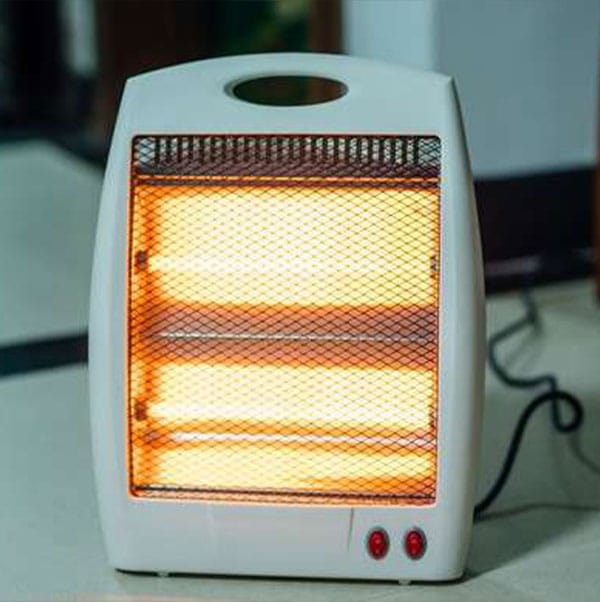
Portable space heaters
Portable space heaters, which cause more fires annually than central heating. Use space heaters only in well-ventilated spaces, and keep them at least three feet away from furniture, fabrics, draperies, and other combustible objects.
Candles
Never position a lit candle near flammable items like bedsheets and books, which may become engulfed in flame if they come in contact with the tiny fire. As a safer alternative, homeowners can purchase flameless, battery-powered candles with LEDs.
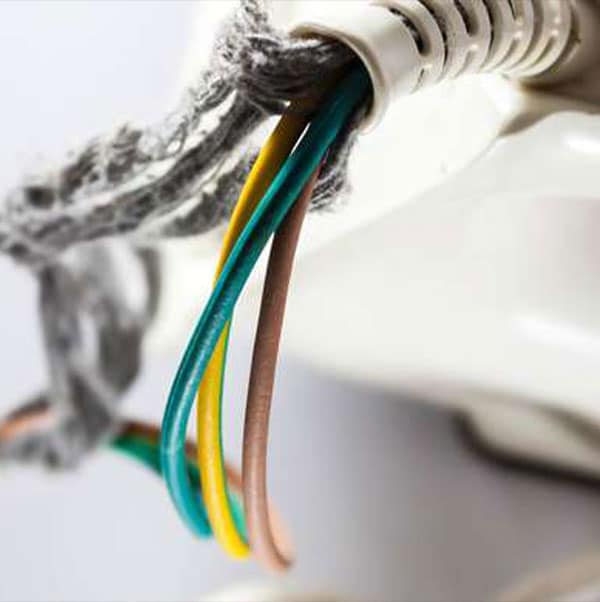
Worn and damaged cords
Replace all worn or damaged cords right away, never overload extension cords or wall sockets, and don’t position cords under furniture or rugs.
Grill
Position your grill or fire pit several feet from your house, safely away from trees, deck railings, and other structures. Routinely clean the grill, investigate signs of rust and corrosion, and check the gas connections.
Propane and gasoline
Gasoline, kerosene, and propane should be stored outside in their original containers. Kerosene and propane heaters, which have a constant open flame, should be kept in an isolated, well-ventilated area and used only with the proper type of fuel.
Source: 2020 National Fire Protection Association® (NFPA®)
View the video below featuring EMC Security customers that are thankful they installed monitored smoke detectors in their home. A few months ago, their home was quickly overcome with smoke and fire while they were just a few yards away, in the backyard. If it wasn’t for EMC Security, the damage and loss would’ve been much greater.
Adding smoke or heat detectors to your home security system may very well be the best decision you make when it comes to the safety and security of your loved ones.
And, your monthly monitoring cost doesn’t change when you add fire monitoring to your security system.
-

How Do Glass Break Sensors Work?
Glass breaks can be an important addition to your home security system.
Glass breaks are sensors that detect the sound frequency and percussion of glass breaking and send the signal to your home security system to activate the alarm.
So why would you need glass break sensors installed as a part of your security system if you already have door and window sensors?
Door and window sensors are only effective if the door or window is opened. If an intruder instead decides to break the glass of the window to enter your home, the window sensor won’t trigger the alarm. A glass break sensor will trigger the alarm when it detects the sound and vibration of the glass breaking.
So the question remains:
Should I add glass breaks to my security system?
It’s important to remember that glass break sensors are used to enhance the security system you already have in place to make it even more effective.
We would suggest glass break sensors for any home that features:
- Large windows
- Sliding glass doors
- Rooms with many windows, such as sun rooms
- Exterior doors with windows or decorative window panes
- Homes with windows that are painted shut
While homes with large windows provide extra sunlight and views, they’re also a potential target for would-be criminals. Glass break sensors can help protect you in the event a criminal tries to enter your home.
Learn more about security system components here.
-

Customer Newsletter – September 2020
EMC Security has enhanced the online payment portal.
Features:
- View Invoices Due
- View Paid Invoices
- View Receipts
- Add Users
- Save Payment Methods
- Coming Soon
- Request technical service
- Update your contact list
If you have used the previous online payment portal, simply login to the new portal with your email address and password.
If you are a new user, click here for instructions to register.
View the video above featuring EMC Security customers that are thankful they installed monitored smoke detectors in their home. A few months ago, their home was quickly overcome with smoke and fire while they were just a few yards away, in the backyard. If it wasn’t for EMC Security, the damage and loss would’ve been much greater.
Adding smoke or heat detectors to your home security system may very well be the best decision you make when it comes to the safety and security of your loved ones.
And, your monthly monitoring cost doesn’t change when you add fire monitoring to your security system.
Most Common Causes of Home Fires
In 2019, fire departments in the U.S. responded to an estimated 361,500 home fires. These fires caused roughly 2,870 deaths and 12,700 reported injuries. Property damage was estimated at $7.9 billion.
Cooking equipment – #1 cause of fire injuries.
If you leave the kitchen—even for a brief period of time—turn off the stove. Wear short, close-fitting, or tightly rolled sleeves when cooking. Always keep children away from active cooking areas.
Smoking – #1 cause of deaths
Most smoking-related fires start inside the home, often originating from upholstered furniture, bedding, or mattresses. Always smoke outside, thoroughly extinguishing cigarettes in an ashtray when finished.
Portable space heaters
Portable space heaters, which cause more fires annually than central heating. Use space heaters only in well-ventilated spaces, and keep them at least three feet away from furniture, fabrics, draperies, and other combustible objects.
Fireplace
To prevent an accident, install a spark screen or glass door in front of the firebox to protect the surrounding area from stray sparks and rolled logs. Check chimneys annually to ensure that creosote hasn’t built up, and never leave a fire unattended.
Worn and damaged cords
Replace all worn or damaged cords right away, never overload extension cords or wall sockets, and don’t position cords under furniture or rugs.
Candles
Never position a lit candle near flammable items like bedsheets and books, which may become engulfed in flame if they come in contact with the tiny fire. As a safer alternative, homeowners can purchase flameless, battery-powered candles with LEDs.
Propane and gasoline
Gasoline, kerosene, and propane should be stored outside in their original containers. Kerosene and propane heaters, which have a constant open flame, should be kept in an isolated, well-ventilated area and used only with the proper type of fuel.
Grill
Position your grill or fire pit several feet from your house, safely away from trees, deck railings, and other structures. Routinely clean the grill, investigate signs of rust and corrosion, and check the gas connections.
Source: 2020 National Fire Protection Association® (NFPA®)
-

Why Your Security System Should Use Cellular Communication
Your home security system has three options to communicate with your monitoring service provider, such as EMC Security.
Those options are
landline , Wi-Fi, and cellular. While each connection type will provide you with reliable home security monitoring, there are a few things to consider when deciding which is right for you.In this post we’ll examine the reasons we believe a cellular connection is a great choice for most homes today, especially considering most households don’t have an operational landline as more and more people opt for cell phones.
But first, let’s discuss the differences between each connection:
Landline
Connecting your home security system through your phone line is the most cost-effective option as there’s no equipment to buy and no charge to transmit the alarm other than the monthly monitoring rate. However, if your phone line is cut, there’s no way for the alarm to communicate with the service provider’s central station. In addition, if you opt for the landline connection, there is no way to access the security system using a smartphone, which is a feature most customers are looking for.
Wi-Fi
This type of connection communicates with the monitoring service via an internet connection. The benefit of this type of connection is that there is no transmission cost — as long as you have an internet connection, the service provider will only need to put a module in to allow it to communicate over the internet. There is a cost for the module, but it will also give you the ability to control the security system through a smartphone. It’s important to note that this type of connection relies on your IP connection, so if your internet goes down, the system won’t be able to communicate.
Cellular
A cellular connection communicates with the monitoring service provider via cellular towers and is considered the most secure because there are no lines that can be cut to prevent the system from communicating with the provider. There are equipment costs, however, as you’ll need to purchase a cellular communicator, and the cell carriers will charge a small monthly transmission cost for the cellular communicator. Because the technology will advance over time, you will need to upgrade your cellular communicator from time to time.
Now that you know the difference between each of the connections, let’s discuss three reasons a cellular connection is the best choice for most home:
It’s the Most Secure: Both landline and Wi-Fi communication are susceptible to disruption: landlines can be cut, and Wi-Fi relies on an active internet connection. A cellular connection communicates through cellular towers and is less vulnerable.
Convenient: A cellular connection can be controlled from anywhere using a smartphone, tablet or computer. Perks include real-time alerts and monitoring.
More Control: A cellular connection offers more interactive services, such as
virtual keypad, live video, door lock, lighting and thermostat controls. You can also arm and disarm from your phone and have access tolive-streaming video.If you’re ready to purchase home security but aren’t sure which system is best for you, download our Free Guide to Buying Home Security to learn more about the available options.
-

How to Prevent Being Locked Out
Have you ever been locked out of the house?
It’s not easy to do anymore since we have so many electronics to help, but sometimes it can’t be helped and it’s more than frustrating.
Below are some tips that might help prevent a lock out down the road:
Go Keyless. Install smart-locks so you don’t need a key to get in. These handy devices are controlled with a smartphone. You can easily provide guests with their own custom code and/or unlock the door from anywhere at any time. Better still, integrate a smart-lock with your security system and control everything with one app.
Give a Spare Away. Prevent the problem by giving a spare key to a trusted friend, family member, or neighbor. Someone with flexible availability is ideal for quickly fixing the problem in the future.
Hide a key outside. Hide-a-Keys and outdoor key holders come in many shapes and forms. They’re often disguised as rocks or yard decorations. These products are great for hiding a spare key to a house, safe, or drawers.
So what if you get locked out? Below are a few things to do:
Look for unlocked windows or doors. Check all the entrances to your home including windows. While it’s not a good idea to leave anything unlocked, you might get lucky (just this once).
Call for help. Call you spouse, roommate, anyone that might be able to get you in. If you live in an apartment complex, stop by the manager’s office to ask for access. It’ll probably cost you a fee but you might get inside quickly.
Call a locksmith. This will cost about $100 or so, but they are often available 24/7 to help.







 Smoking – #1 cause of deaths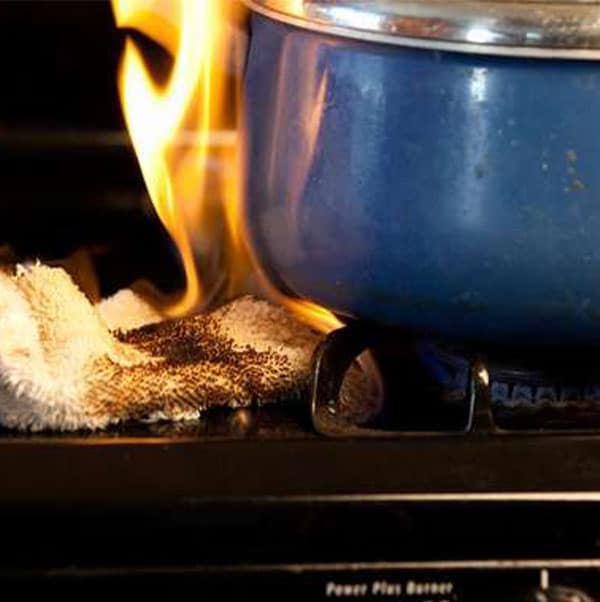
 Fireplace
 Portable space heaters
 Candles
 Worn and damaged cords
 Grill
Grill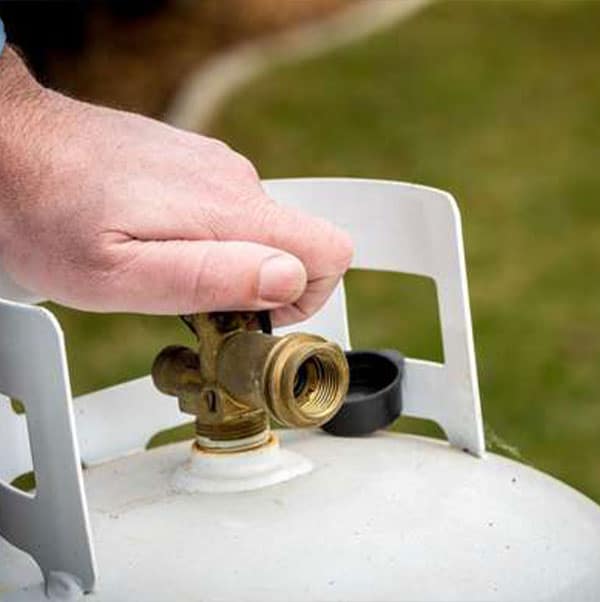 Propane and gasoline