Your cart is currently empty!
Search results for: “R”
-
Thank you
Thank you.
Your monitoring agreement has been submitted. You will receive a confirmation email.
-
Self-Install Setup Video

Connect+ DIY Self-Install System Guide
Thank you for purchasing an EMC Security Connect+ DIY Self-Install System.
This page contains information and links to documents that will guide you through the equipment and mobile app set-up.
Step by Step Set-Up Video Instructions
If you have any questions or need help setting up the system, feel free to contact the Service Department at 770-963-0305 Mon – Fri 8am to 7pm.
Your Unique Login Information:
Username: XXXXX (Provided in the email)
Password: abcd1234
Change the User Code (4-digit code to arm/disarm the system)
(choose one option below):
1. Click this link. Once there, please follow the instructions below.
- Login with the Username and Password above
- After the login click on Users
- Click on Edit beside your name
- Click on Devices
- Click on Edit Panel User
- Enter a New Pin
- Click on Ok
- Then your new code should work in about 30 sec.
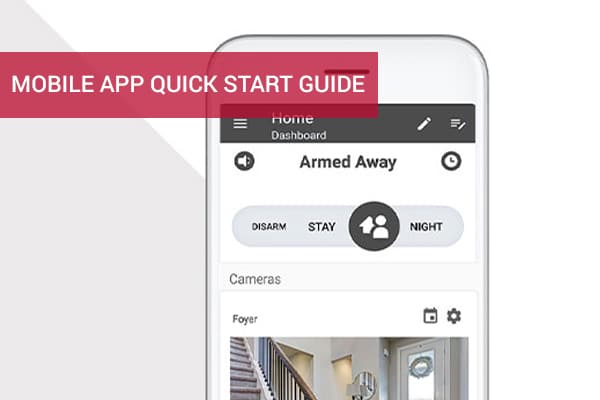
2. Use the app to change the code. Your app can be set-up below.
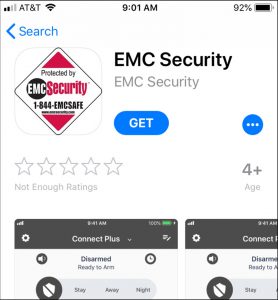
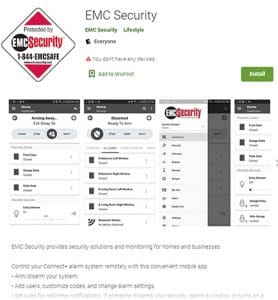
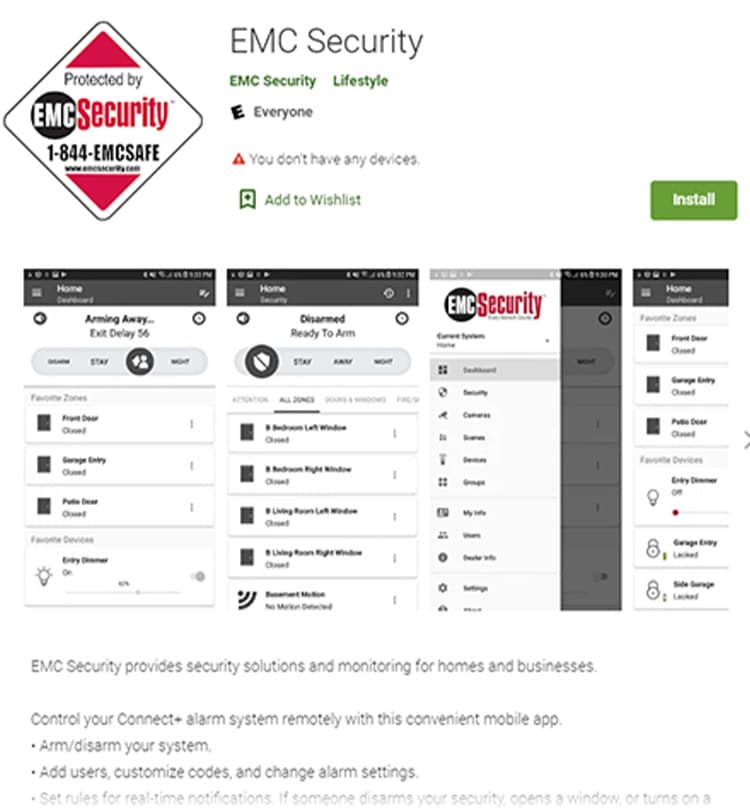
If applicable, download the EMC Security app below.
Click on the image or link for the appropriate user guide and instructions.
Brochures
-
System Activate GA
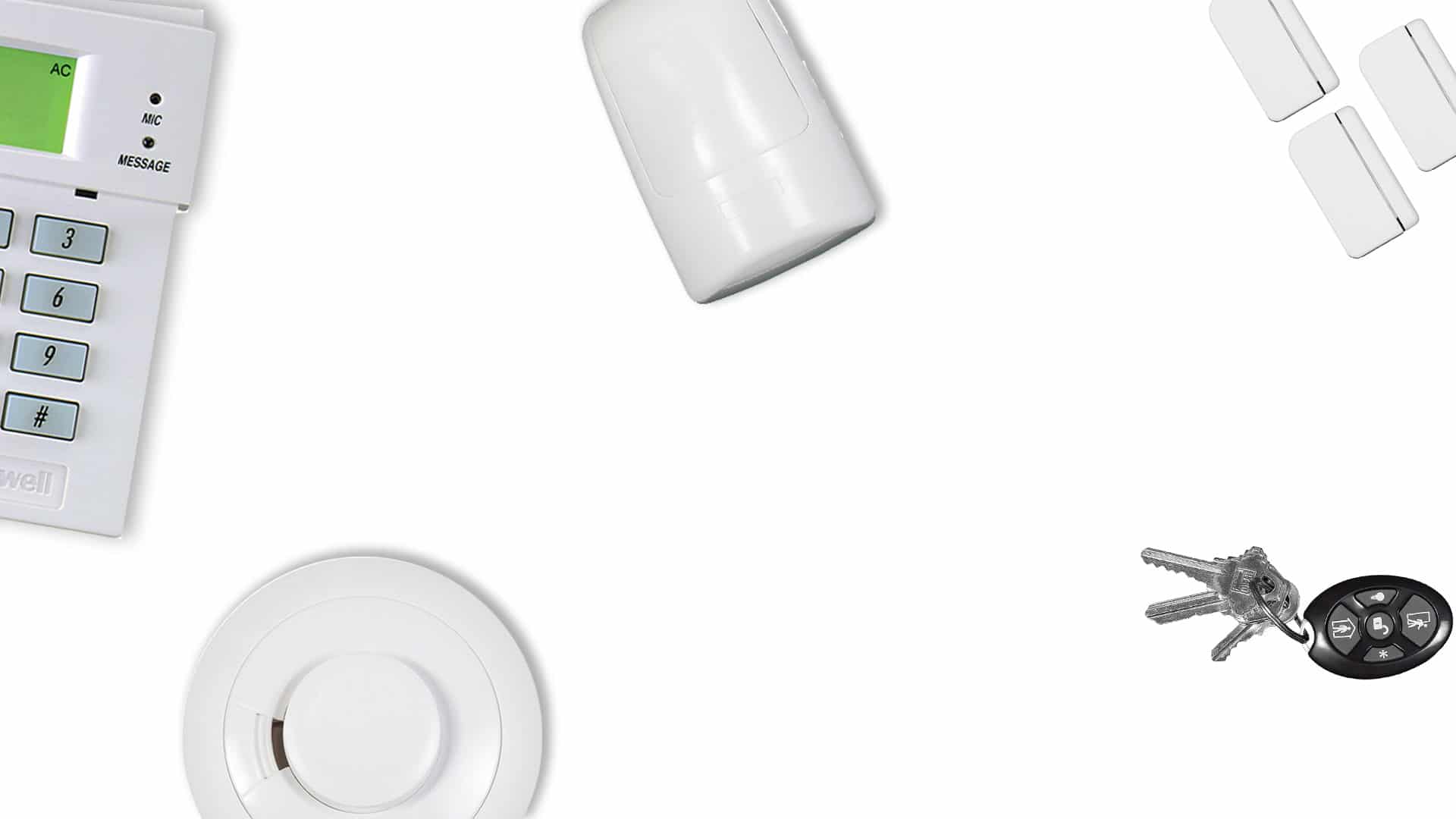
Transform Your Existing Security System with EMC Security – Atlanta’s Top Choice
Affordable, No-Contract Monitoring & Cutting-Edge Upgrades for Your Home Security System
Discover smart security with EMC Security, Georgia’s largest locally owned security company. Enjoy professional monitoring, advanced technology, and responsive local support, all without the pressure of a long-term contract.
Your Smart Home Security
System, Your Way.Choose between professionally installed and DIY self-installed smart home security systems at a significant savings.
Use Your Existing
Security System.Want to use the alarm system already in your home?
Our simple process makes it quick, easy and affordable.

THE EMC SECURITY DIFFERENCE
Non-proprietary systems
Elite technology partnerships provide the best-in-class, scalable solutions, customized to support your security objectives today, and into the future.
End to end security solutions
As your single-source provider, our engineers, project managers and technicians address your needs with cost-effective solutions and service.
Standards and compliance
Our team will ensure that your facility meets compliance and that you’re adequately prepared to meet any possible regulatory standards.
Local service and support
Owned by three non-profit utility companies, we’ve served the community for over 22 years, with a commitment to excellence in everything we do.
Always watching
So you don’t have to be.
Since we’re owned by three Georgia EMCs, we keep monitoring rates low. With 24/7 professional monitoring at an affordable rate, it’s a simple, easy choice.
And, because we don’t lock you in with a contract, you can cancel anytime. That’s why we strive to earn your business every day
-
System Manuals
Quick Start Guides & System Manuals
Quick Start Guides
Click on a company’s name to view the Quick Start Guide available for the systems. All guides are PDFs viewable in Adobe Acrobat.
- Vista20 – Quick Start Guide
- Lynx 5210 – Quick Start Guide
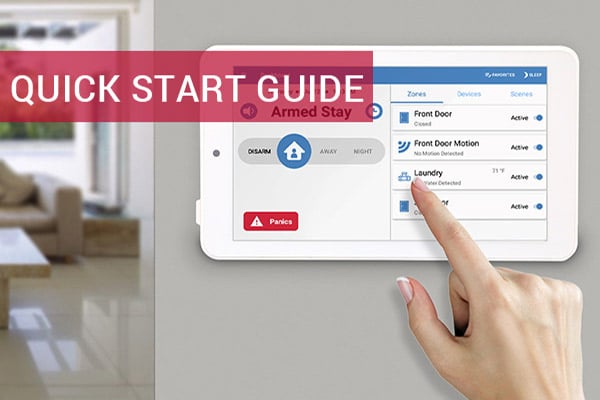
- Connect+ – Quick Start Guide
- GE Networx – Quick Start Guide
- DSC – Quick Start Guide
- Concord – Quick Start Guide
Not sure which panel / keypad you have?
-
Self-Install Setup Video
Connect+ DIY Self-Install System Guide
Thank you for purchasing an EMC Security Connect+ DIY Self-Install System.
This page contains information and links to documents that will guide you through the equipment and mobile app set-up.
Step by Step Set-Up Video Instructions
If you have any questions or need help setting up the system, feel free to contact the Service Department at 770-963-0305 Mon – Fri 8am to 7pm.
Your Unique Login Information:
Username: XXXXX (Provided in the email)
Password: abcd1234
Change the User Code (4-digit code to arm/disarm the system)
(choose one option below):
1. Click this link. Once there, please follow the instructions below.
- Login with the Username and Password above
- After the login click on Users
- Click on Edit beside your name
- Click on Devices
- Click on Edit Panel User
- Enter a New Pin
- Click on Ok
- Then your new code should work in about 30 sec.
2. Use the app to change the code. Your app can be set-up below.
If applicable, download the EMC Security app below.
Click on the image or link for the appropriate user guide and instructions.
Brochures
-
New Home Safety Checklist
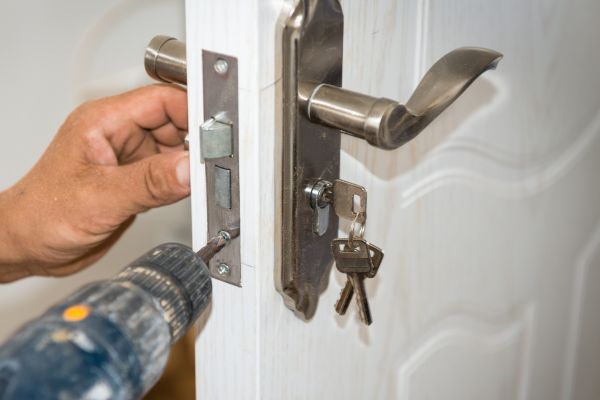
- Change the locks: This is the first and most crucial step for your peace of mind. Rekey or replace all locks on exterior doors, including the garage, shed, and any side or back entrances.
- Reinforce doors: Consider adding deadbolts or reinforcing strike plates for extra security.
- Check windows: Make sure all windows lock securely and have no damage. Check for cracks or gaps in window frames and seal them.
- Garage security: If you have a garage, check the door’s functionality and ensure it locks properly. Make sure the automatic opener has a rolling code feature to prevent hacking. Consider a smart garage door opener for remote monitoring and control.
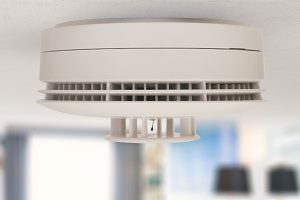
- Test existing smoke and carbon monoxide detectors: Replace batteries if needed and make sure they’re in working order on every level of your home.
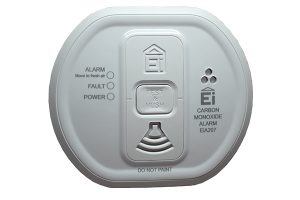
- Install smoke detectors in every bedroom, outside sleeping areas, and on every level of your home, including the basement. Install carbon monoxide detectors near sleeping areas and on each level. Test them monthly and replace batteries annually.
- Locate existing fire extinguishers: Place fire extinguishers in easily accessible locations, such as the kitchen, garage, and near fireplaces. Make sure everyone in the household knows how to use them.
- Plan escape routes: Create a fire escape plan with two exits from every room, and practice it with everyone in the household.
EMC Security monitors for fire and CO at no additional monthly cost!
- Install window guards or window stops to prevent falls from elevated windows.
- Use cordless window coverings to eliminate hazards for young children.
- Secure heavy furniture to walls using anti-tip brackets or straps to prevent tipping accidents.
- Install cabinet door locks. Place all cleaners and hazardous materials high up.
- Install security gates in strategic places such as at the stairways.
- Locate main water shut-off valve: Learn how to turn off the water supply in case of a leak.
- Inspect for leaks: Check under sinks, around toilets, and in basements for any signs of water damage or leaks.
- Water heater safety: If you have a gas water heater, have it inspected by a professional to ensure it’s operating safely.
- Consider a smart-water detection device: If water is detected, you will be notified and can take quick action.
- Locate electrical panel: Find the main electrical panel and learn how to turn off the power in an emergency.
- Inspect outlets and switches: Look for any signs of damage or wear. If you find any, get them repaired promptly by a qualified electrician.
- Check GFCI outlets: Ground Fault Circuit Interrupter (GFCI) outlets are essential in bathrooms, kitchens, and outdoor areas. Test them to make sure they’re working correctly.
- Surge protection: Safeguard your electronics and appliances from damaging power surges, offering comprehensive protection from a central point.
- Consider a free EMC Security professional consultation to assess your home’s specific needs and recommend the best security system for you.
- Activate/install alarm system: If your home has an existing alarm system, contact EMC Security to activate it. If not, consider installing a new EMC Security system for added protection.
- Test the alarm: Once the system is up and running, test it to make sure all sensors and alarms are working properly.
- Set up security cameras: Install cameras in strategic locations around your property. Review footage regularly to monitor for any suspicious activity. EMC Security can help you choose the right cameras for your needs.
- Smart locks:Replace traditional locks with smart locks that can be controlled remotely via your smartphone.
- Connect smart devices: If you have smart locks, thermostats, or other devices, connect them to your EMC Security alarm or smart home hub.
- Set up routines and automations: Create schedules or triggers to automate tasks like locking doors at night or adjusting the thermostat based on your preferences.
- Remote access: Download the apps for your smart devices to control them remotely and receive notifications.
- Landscaping: Trim overgrown bushes or trees that could provide cover for intruders. Remove any loose rocks or objects that could be used to break windows.
- Lighting: Install motion-sensor lights around your property, especially near entry points, walkways, and dark corners.
- Sheds and garages: Secure these structures with sturdy locks. Consider adding EMC Security alarms or cameras for extra security.
- Pool area: If you have a pool, ensure it’s fenced off and has a self-closing, self-latching gate to prevent unauthorized access. This is also a good area for an alarm system device.
- Create a home inventory: Take photos or videos of your belongings in case of theft or damage.
- Emergency kit: Prepare a kit with essential supplies like water, food, a first-aid kit, and flashlights.
- Get to know your neighbors: Building relationships with your neighbors can enhance your overall sense of security and community.
Congratulations on your new home! Use this checklist to inspect and set up safety functions right after moving in.
Additional Safety Tips:
Exterior Safety Assessment:
Smart Home Integration:
Security System and Cameras
Electrical Safety Check:
Water Safety:
Childproofing:
Emergency Safety & Procedures:
Secure Your Entry Points:
Home safety is an ongoing process. Regularly check your home’s safety features and make updates as needed. Enjoy your new home with peace of mind!
-
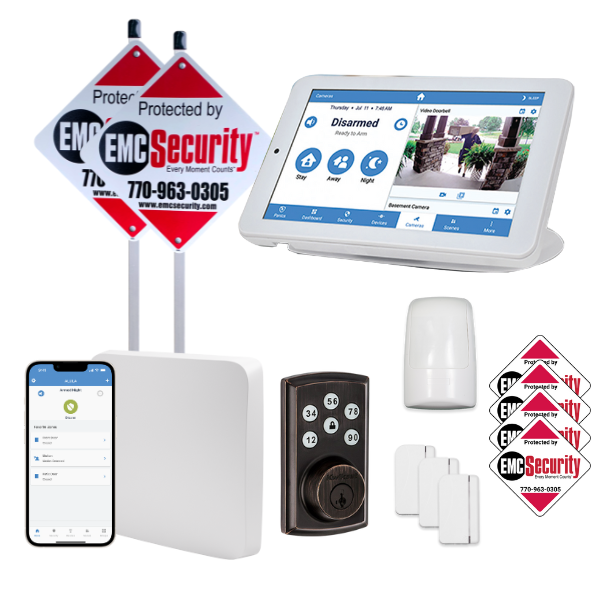
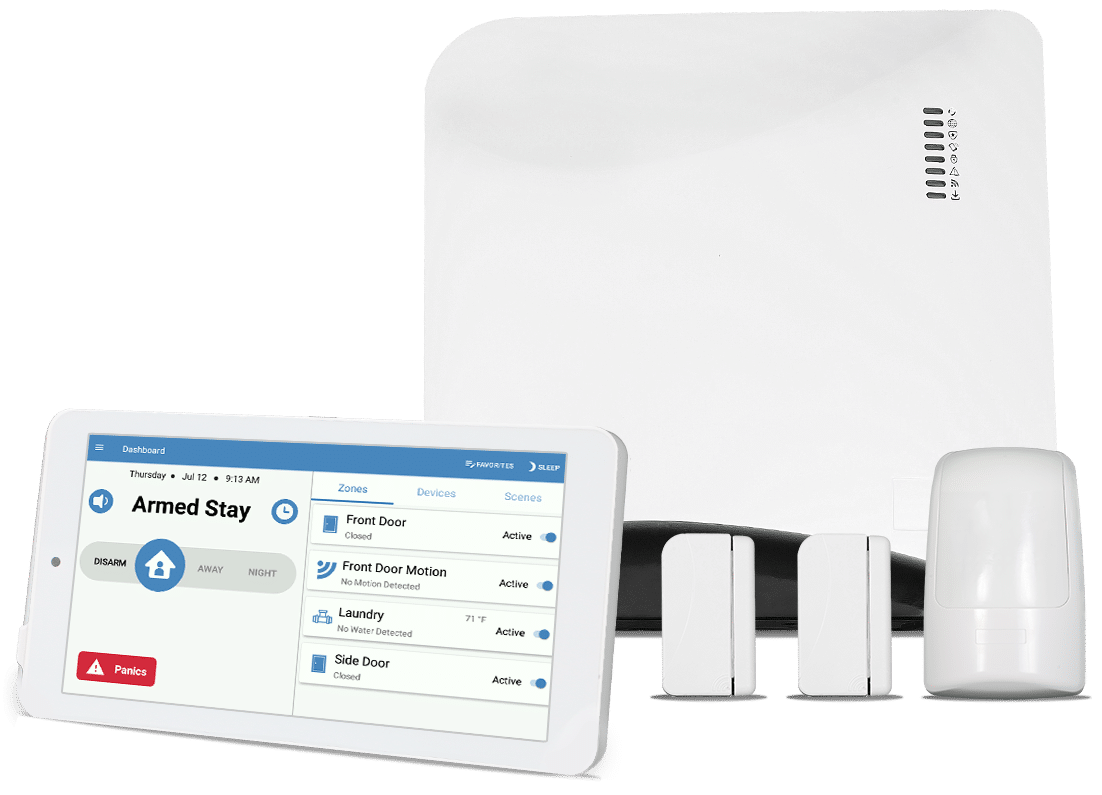
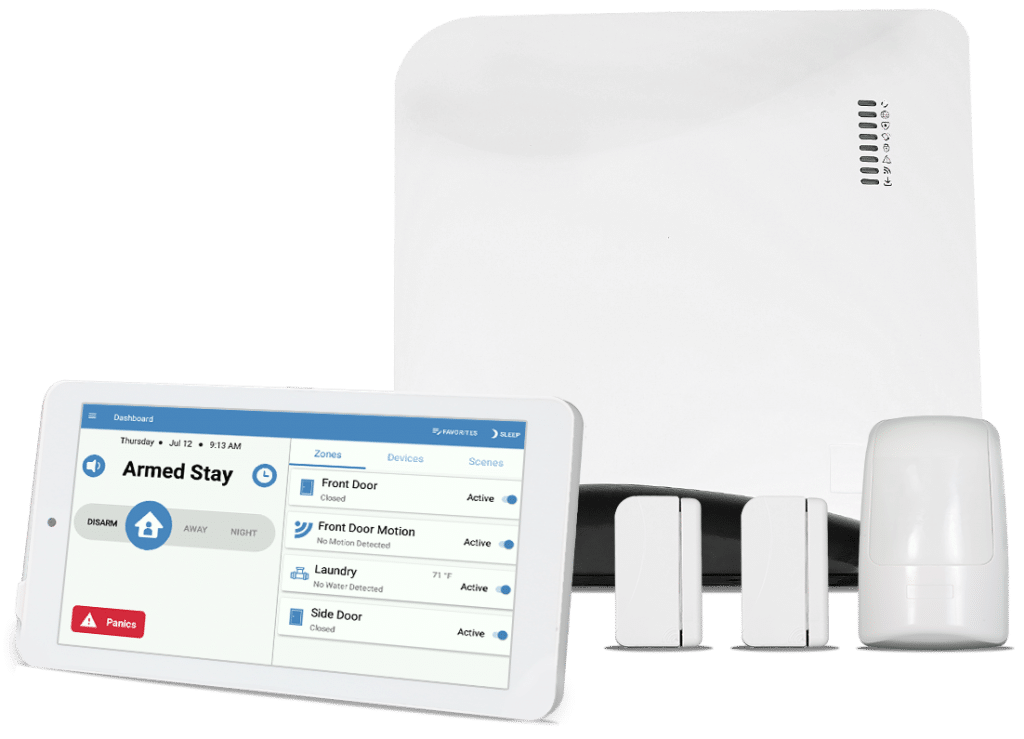
Connect+ TouchPad With Lock
- Base Station
- Touch Keypad
- Smart-Lock
- 3 Entry Sensors
- Motion Detector
- Cellular Communicator
- Z-Wave Card
- 2 Yard Signs
- Stickers for doors/windows
Professional installation is not available for purchase online. Call 770-963-0305 to place your order.
-

How to feel safe when living alone
Some people who live with another person or a family, feel scared and unsure when they begin to live alone.
Experts say that being alone is something you can get used to—and may even be better for you than living with someone who isn’t ideal.
But the fear is real so it’s important to take steps so you can begin to enjoy living alone and feel safe.
Below are tips to get started:
Get a security system. Even if you live in an apartment, a good security company will offer systems that are wireless with no drilling required. These portable systems are some of the most advanced on the market. EMC Security has an easy-to-use system that can be integrated with smart-devices and cameras for as much or as little protection as you desire. We can also activate a system already in the home. If it’s outdated, we can swap out some equipment to get it as good as new – for less than buying a new system.
Get a dog. A dog (or a cat) can provide some love and company. A dog can also be a great deterrent to would-be intruders. A large dog will bark loudly and scare off anyone who might try to break into your home. If someone does make it inside, a dog will also be able to alert you when they do so–even if they’re trying not to make noise or wake up other people in the house. Even small dogs can be hazardous. If you’ve ever been bitten on the ankle by a small dog, you know what I mean. But remember, a dog is not a security system – they can’t call for help if needed.
Never leave the house with it unlocked, even if you’re only going next door to get groceries. Unfortunately social media and our open-book lives have made it easier for criminals to target unsuspecting victims. Make it a habit – take your keys and arm you security system.
If possible, keep all windows covered when not being used for ventilation purposes. This will help prevent people from peering through them and seeing what’s going on inside your home during nonbusiness hours!
Get a smart-lock for your front door. Keypad locks are versatile and can be used with either a code or key, and can be locked or unlocked from anywhere in the world.
Get a video doorbell for your front porch. This world-wide phenomenon is one of the most popular cameras on the market because it lets you see what’s going on whether your in your kitchen or across town.
Take a look at EMC Security’s options >>
Keep an eye out for suspicious people or vehicles in your neighborhood. I don’t mean to turn into Gladys Cravats but pay attention. Victims of burglary and mugging are often-times not paying attention to their surroundings.
Make sure any doors or windows on your property have locks on them so they cannot be opened from outside without a key (or other device). Make sure these locks work properly so they don’t get stuck or break off when someone tries to force them open with tools like screwdrivers or crowbars; this will let anyone who breaks in know immediately that they won’t be able to get through easily.
And finally, do what you can to ease your anxiety. Try a mild form of yoga before bed, spend time with your faith, talk to friends, watch a funny show, and take care of yourself. Before you know it, you’ll start to feel comfortable being alone and cherish the time you have enjoying it.
-

How to Save Money at Home
We’re all trying to save money where we can these days.
For example, we’ve seen customers of other security companies switching to EMC Security because our monitoring is much more affordable. This can make the difference between protecting your home or not. To us, it’s not worth the risk.
Below are some other ways you can save money at home:
Cleaning your home.
An at home cleaning solution of vinegar and baking soda make a great duo. Mix them together in equal parts, then wipe down your surfaces with the mixture.
Use a squeegee to clean windows instead of paper towels or newspaper (or even Windex) to save money on your energy bill and reduce waste.
Get a steam mop and use it to clean floors instead of mops or brooms–they’re fast, easy, effective and much less messy than the old-fashioned way.
A rag can be used as an alternative for paper towels when you need to wipe up small messes around the house (and they’ll last longer too).
Energy costs.
Replace your light bulbs. For example, you can compare the cost of different light bulbs and choose the one that costs less money but still provides enough brightness for your needs. You can also consider using energy saving light bulbs which have longer lifespans and use less electricity than regular incandescent lights.
When you leave a room, turn off the lights. If you can’t see it, you don’t need it on. If there’s no reason for a light to be on in an unoccupied room (like if you’re upstairs and your family is downstairs), turn that sucker off! You’re saving energy and money by doing so. The same applies for electronic devices such as televisions and computers – turn them off when not being used.
You can save a lot of money and water by taking shorter showers. Use low flow shower heads, limit the length of your shower, turn off the water while you lather up and use a timer to remind yourself when to turn off the water
Plant a garden.
There are many varieties of vegetables and herbs that will grow well in Georgia. Some examples include tomatoes, green beans, lettuce and basil (or other flavorings). We’ve fogotten how tasty home-grown vegetables are. You can really tell the difference.
Start with seeds instead of seedlings – they cost less than buying plants at the store or nursery! You also won’t have to worry about any diseases being passed on from one plant to another if you use seeds instead of seedlings–they’ve already been exposed anyway so it doesn’t matter anymore!
Try planting something new every year so that your garden stays fresh and exciting; this way no one else will have any idea what kind of crops might be hiding behind those bushes out back.
From scratch.
Cooking from scratch is the most economical way to eat. You can make your own pizza dough, pasta, sauces and desserts. It’s healthier and more fun than processed food. You can make it as spicy or as mild as you like, depending on your taste buds.
Homemade bread is healthier than store-bought varieties because it’s made with whole grains instead of refined flour.
Make hummus, sauces and dips at home instead of buying them at the grocery store or ordering them at restaurants. Homemade hummus is much cheaper than any kind found in stores–and you know exactly what ingredients are going into it! Similarly for sauces: homemade tomato sauce uses fresh tomatoes; jarred ones are often filled with high fructose corn syrup or additives like preservatives that aren’t good for your health or wallet.
Buy ingredients in bulk. This is especially useful if you have multiple people in the house who eat different things or like to experiment with new recipes.
Laundry.
Use cold water. You can wash your clothes in cold water, and this will help to save you money on your monthly energy bill.
Use less detergent. If you use too much detergent, then this will make your clothes smell bad and also cause them to wear out faster than they should be wearing out anyway! So make sure that when washing your clothes, you use only as much detergent as is necessary for the load of laundry that you are washing at that moment.
Wash smaller loads instead of large ones whenever possible because doing so saves money on both electricity costs and water usage over time.
Buy and sell.
There are great finds online if you know where to look. A quick Google search will help. Second-hand and consignments shops are all the rage – check a few out in your area.
If you have a lot of household items that you don’t need anymore, or if you have some old clothes that are just taking up space in your closet, consider selling them online. Online sites make is easy and quick–just post a photo and description of the item, set a price (don’t go too high), wait for someone to buy it and ship it off!
There are lots of ways to cut your household spending. The most important thing is to not get overwhelmed. Even if you only do one or two things on this list, it will still make a difference in your budget and help you save money!how to save money at home
Contact EMC Security today to find out how you can save money on alarm montoring.
-
12 Days of Holiday Safety
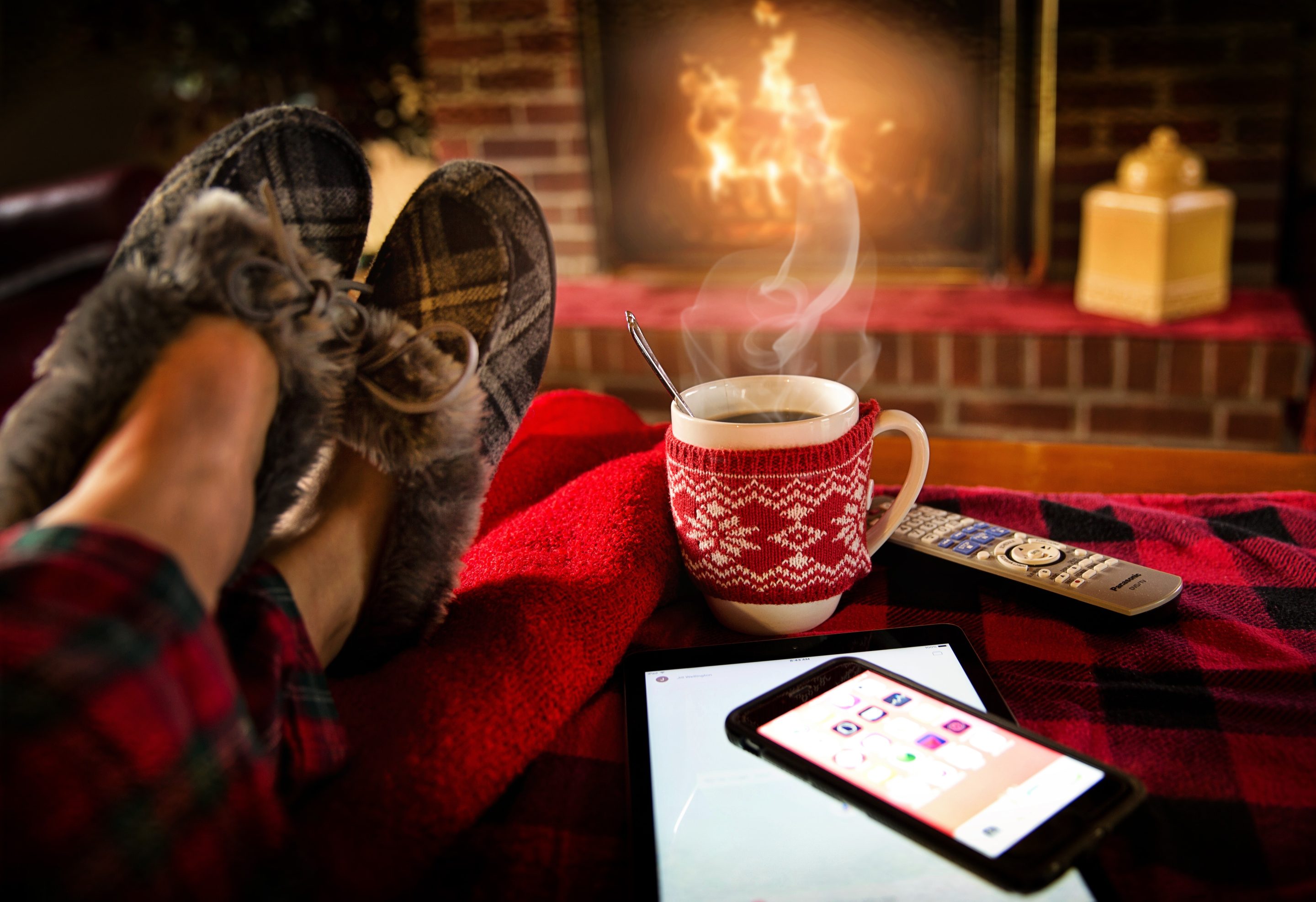
The holidays are a time for family, fun, and celebrations. But if you’re not careful, they can also be a time for accidents and injuries. From fires to falls, there are many potential hazards in the home during the holiday season.
That’s why we’ve put together this list of 12 days of holiday safety tips to help you keep your home safe and accident-free this holiday season.
Day 1: Check your smoke alarms and carbon monoxide detectors. Make sure they are working properly and have fresh batteries. Test them by pushing the test button monthly. Many homes and lives are at risk because the smoke detectors were out of batteries.
Day 2: Keep candles away from flammable materials like curtains, furniture, or Christmas trees. Never leave burning candles unattended. Avoid using decorative candles altogether and opt for battery-operated LED candles instead.
Day 3: Inspect your Christmas tree for signs of drying out or needle drop before putting it up. Keep the tree watered and away from heat sources like fireplaces or vents to prevent it from drying out too quickly. When the tree starts to drop needles, it’s time to get rid of it.
Day 4: Don’t overload electrical outlets with multiple plugs and extension cords. This could cause a fire hazard. Use surge protectors instead of extension cords whenever possible. If you must use extension cords, make sure they are not damaged in any way and are rated for the amount of electricity they will be carrying.
Day 5: Prevent accidental fires by making sure all embers are extinguished before going to bed or leaving the house. Never leave fireplaces, wood stoves, or space heaters unattended when in use. Keep a fire extinguisher within reach in case of an emergency.
Day 6: If you’re using a real Christmas tree, make sure it is at least 3 feet away from any heat source like a fireplace, radiator, or space heater to prevent it from drying out and becoming a fire hazard. If you have a fake tree, look for the label “Fire Resistant.” This does not mean the tree won’t catch on fire; it just means it is less likely to do so than other artificial trees without that label.
Day 7: Bring in fresh air by opening windows when cooking or using the fireplace to prevent carbon monoxide buildup in the home. Install carbon monoxide detectors on each level of your home and check them regularly to make sure they are working properly.
Day 8: Keep wrapped gifts out of reach of small children who might be tempted to open them early! Store them in a closet or on high shelves until it’s time to put them under the tree.
Day 9: Choose electric lights instead of real candles when decorating your home for the holidays. If you must use real candles, make sure they are placed in sturdy holders and kept away from flammable materials like curtains or paper decorations. Never leave burning candles unattended!
Day 10: Be extra careful when cooking during the holidays as this is one of the leading causes of house fires. Never leave food unattended on the stovetop or in the oven—stay in the kitchen while cooking! Keep a close eye on deep fryers as well; if they start smoking, turn them off immediately and call 911 if necessary.
Day 11: Keep walkways and stairs clear of snow and ice to prevent slips and falls . . . two more leading causes of injuries during wintertime! Also make sure your sidewalks and driveway are well-lit to avoid trips and falls in the dark evening hours of the day.
Day 12: Use your security system! EMC Security will only receive an intrusion signal when it’s armed. Help prevent regrets this holiday season.
We hope these tips help you have a safe and enjoyable holiday season! From all of us here at EMC Security, Happy Holidays!