Your cart is currently empty!
Search results for: “R”
-

June, 2021
Get Answers…When You Need Them Most
Our website support page, emcsecurity.com/support is a great resource for a variety of customer concerns. Such as:
Storm Outages. If a big storm hits, we’ll post trouble shooting information in the top banner of the website. You’ll find instructions to silence beeps, notifications, and more.
Insurance Certificate Request Form. Submit the request and receive your certificate the next business day.
Maintenance Request Form. Have an issue? Let us know what’s going on and a technician will contact you back.
Update Your Contact List. Submit the form and we’ll take care of it for you.
Frequently Asked Questions. Including a variety of topics.
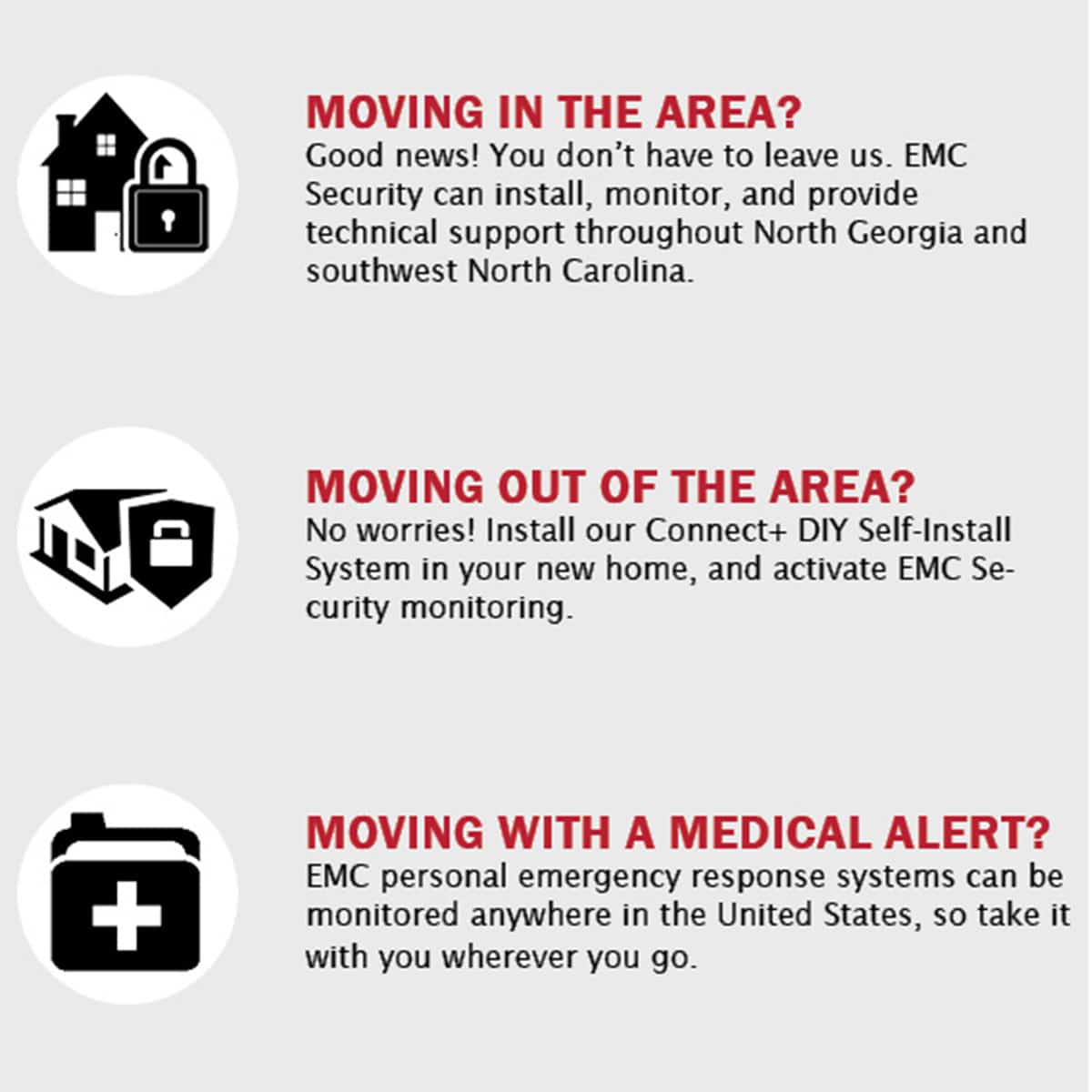
Moving resources, mobile app details, how to test your alarm, system manuals, and more.
Visit EMC Security Support now>>
Are You Enrolled in EMC Text-Alert?
It’s Free!
SIgn up for EMC Text-Alert here >>
Gwinnett County has partnered with CryWolf Technologies to administer a new false alarm reduction program. Residents may have received a letter from CryWolf regarding this program, and can consider it a legitimate correspondence.
EMC Security monitoring service will not be interrupted by this change
Do you have missing or damaged yard signs?
Complete this form to request replacement signs.
Request Yard Signs Now
-

May, 2021
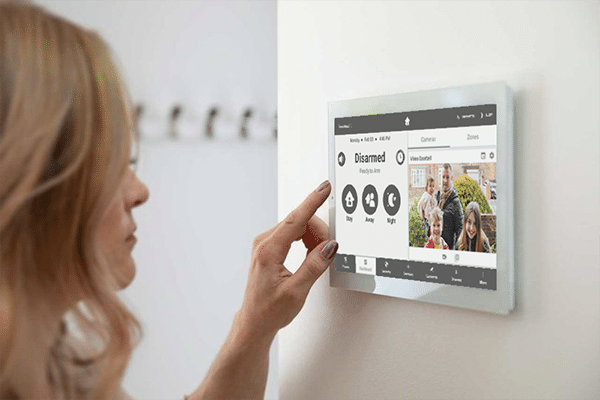
Upgrade to the latest technology with our touchscreen keypad. It’s smarter than the average keypad, integrating your security system with your smart-devices.
Upgrade to the touchscreen keypad today for just $99
EMC Security’s cameras are among the best in the industry, with the most advanced privacy protections in place. But as a consumer, it’s important to take precautions to secure your privacy from hackers.
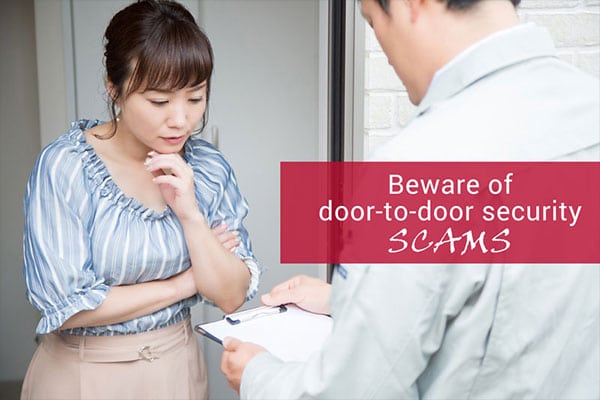
If someone knocks on your door claiming to be from EMC Security, without an appointment, contact the police. Once you feel safe let us know by calling 770-963-0305.
Read more for tips on safeguarding your home and family from door-to-door scams.
Are you selling your house this summer?
Once your home sells, refer EMC Security to the buyer.
If they become a customer, we’ll send you a $100 Amazon gift card! Call 770-963-0305 for details.
Time to celebrate!
EMC Security now ranks in the TOP 10 residential security companies in the nation!
Thank you for your business!
-

Home Safety To-Do List
Before summer explodes upon us, let’s take time to do some home improvements that will help make your dwelling more secure.
Exterior maintenance goes hand-in-hand with home security. Here are six must-do tasks to tackle.
Even if it’s not quite warm enough in Georgia to get the A/C cranked up, it’s a good idea to do a quick visual inspection of your units. Perform basic service and replace the filters. It’s not too early to call in an expert to check the performance and parts of your air conditioner, either. An A/C unit that’s on the fritz can mean comfort and safety issues for everyone in the home.
1. Do Basic Landscape Maintenance.
Remove dead shrubs and trees. Clear out fallen debris and branches. You don’t want to leave any overgrown areas near the home that could provide cover for prowlers.
2. Inspect Your Tools and Tool Storage.
Ensure that gasoline tanks and power tools are stored properly. Check for rust and broken doors and locks on exterior storage sheds, outbuildings basements, and garages. Broken locks and yard tools are an easy mark for burglars.
3. Take a Walk at Night to Check Your Lights.
Stroll around your home at nightfall. Look up at your security lights on your roofline, the corners, and especially the lights on your entrances, front door, and driveway. Make sure all of them are clean of debris and dirt and have working bulbs. Pay special attention to your exterior motion sensor lights – make sure they’re coming on and off like they’re supposed to do! Motion sensors are an important part of your home’s security
4. Examine Your Door and Window Frames.
Winter weather can take a toll on the detailing around doors and windows, making the frames vulnerable to burglars using tools to break into a home. Recalk as necessary and/or make repairs if they’re rotted or damaged in any way.
5. Protect It.
Now that you’ve read about why home maintenance is essential to keeping your home secure, why not give it the ultimate level of safety?
An EMC Security alarm system can help you keep track of your home’s interior and exterior spaces with a touch of your smart phone. One low price per month, with no contract, ensures that your home is protected with and our 24/7 professional monitoring.
Call us at 770-963-0305.

-

Aug, 2020
1. Boost Your Monitoring Experience
Set-up your password hint today
In today’s world, we have passwords and IDs for almost every aspect of our lives. Experts say they should all be different. So it’s not unusual to forget a password or two from time to time – including your security alarm password.
This is why EMC Security has adopted a PASSWORD HINT option for any customers concerned that they may not remember their password in the event of a false alarm.
When asked for your password by the EMC Security operator, simply request the hint you’ve provided rather than guessing at the password.
Give us a call at 770-963-0305 to speak with a Customer Care representative for more information.
2. Review New Dispatch Procedures
Take a few minutes to review our standard dispatch procedures, particularly the procedure if you cancel an alarm at the keypad.
EMC Security does not make phone calls to the emergency contact list on Burglar Alarms that are followed by a cancellation from the keypad. For example, you forgot the system was armed, opened a door triggering an alarm signal, then entered your disarm code correctly on the keypad to cancel the alarm.
As an extra layer of protection, a text message will be sent (to the first 2 phone numbers on the account) notifying you of the signal having been received and confirming no further action will be taken due to cancellation with the proper disarm code.
This message will read as follows: “EMC has received the disarm from your keypad indicating the proper disarm code was entered. If this is an emergency, reply “911” for immediate dispatch.”
This procedure can be customized for your needs. If you’d like your dispatch procedures handled differently, please call 770-963-0305.
3. Get Our FREE EMC Text-Alert Service
If your alarm goes off, you want to know as soon as possible right?
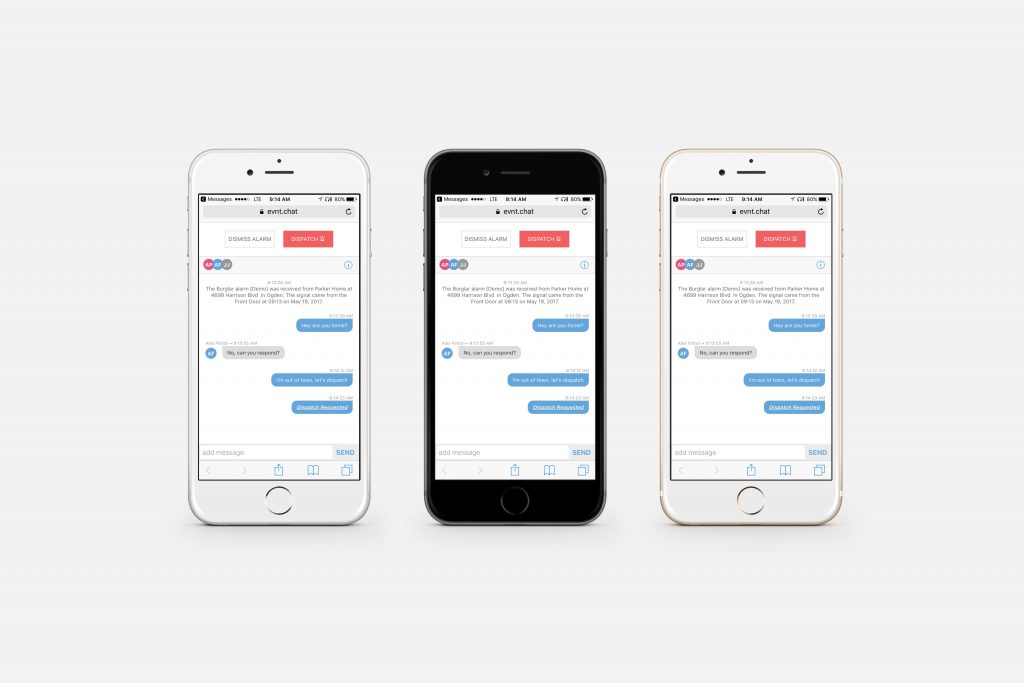
Opt-in to EMC Text-Alert and get an instant text notification on your mobile phone, that gives you the option to chat together with your emergency contacts, and dispatch or dismiss the alarm with just one click.
If no one from the group responds to the text, the EMC Security monitoring center will follow normal phone call procedures.
Watch the video below and click here to learn more.
EMC Text-Alert is completely FREE!
4. Test Your System
EMC Security encourages all customers to test their systems monthly to ensure it’s ready in the event of an emergency.
- Call the 24-hour EMC Security central monitoring center at 1- 888-745-4733 and let them know you will be testing your system. Be prepared to provide them with your name, service address and password.
- Close all doors and protected windows, arm your system and allow the delay time to expire.
- Activate your alarm like an actual emergency by opening a protected door.
- Allow the siren to sound for approximately 15 seconds to one minute and then turn off your system.
- Call the monitoring center and announce that you are calling to check test results. The central station operator will describe the signals received.
If for any reason, the system did not communicate to our central monitoring center, please call our service department at 770-963- 0305, Monday through Friday between 8am and 6pm for a technician to check your system.
5. Update Your Emergency Contact List
EMC Security is your safety partner. If you change any phone numbers or email addresses, notify us at 770-963-0305 to ensure we have the most current information in the event of an emergency (you will need your password to make changes).
-

Tips to Feel Safe When Living Alone
There are many advantages to living alone, one of the most noticeable is that you have your own space and freedom to live the way you want.
Despite the benefits, living alone also comes with concerns related to your personal safety and the security of your house. As a result, you may be wondering how to stay safe when living alone, which is why we’ve put together a checklist to help you learn the dos and don’ts of living alone.
1. Get a Security System
Security systems are no longer reserved for upscale suburban homes. EMC Security offers affordable, budget-friendly security systems that are perfect for homes, apartments, and condominiums. Homeowners who select a wireless system don’t have to drill holes in their walls. Additionally, wireless home security systems are extremely easy to install, and when you are ready to move, you can take your system with you.
2. Get to Know Your Neighbors
When you live alone, getting to know your neighbors could be a very good idea, so listen to your gut and introduce yourself to those who seem trustworthy. Establishing a relationship with elderly couples and other women who live alone may be a good start. It’s not necessary that you become best friends but having a neighbor to turn to, whether it is to borrow milk or to ask for help during a crisis, will go a long way toward helping you feel comfortable living alone, which is why it’s important to make an effort to be friendly for the sake of safety. Ultimately, your neighbors may be your best asset in times of need and will be more willing to assist a friend than they are to help out a total stranger.
3. Get Key Smart
If you lose a key or it goes missing, it may be a good idea to call a locksmith to switch your locks, and depending on where you can last remember having them, it may be absolutely necessary to change your locks. For example, the last place you remember having your keys is a public place, the risk that they could be found by a stranger is high, therefore the greater precautions you should take with your locks. Changing the locks is preferable in situations like these rather than simply rekeying the existing lock.
4. Create an Exit Strategy
If an emergency occurs, such as a fire, a home invasion, or a natural disaster, it’s important to have an exit plan. If you are forced to be out of your home for a few days, know whom you can stay with until you can return home. Include your friends in the plan, so they will be ready to support you when needed.
5. Stay Offline
Announcing your adventures while on your dream vacation can be tempting but it’s usually not a good idea to share such info online. “Don’t help draw attention to the fact that you’re out of town, live alone, or that you’re going out for the evening because you never know who might see it.
6. Think Like an Intruder
One way to feel safer when living alone is to try to adopt the mindset of a thief. Take a walk around your home and check doors, peer into windows, and see if there are areas where you can improve security to make your home less appealing to intruders. Remove any shrubs or large objects that might make for great hiding places for any would-be burglars. Does anything stand out to you that would make it easy for thieves to want to target your home? Can you see high-value items, such as computers or televisions in the window from the street?
Following these steps can help you identify and correct problems related to your home that could make you an easy target.
7. Turn on the Lights
Few things that deter intruders the way lights do. Motion-sensor lights are low-cost and work well to shine a spotlight on would-be burglars or other intruders. By installing a few near your home’s entrances, you can add another line of defense to your place without spending a lot of time and money.
You can also use apps and smart devices to create a schedule for your home’s interior lights to turn off and on. Whether you’re planning to be away for a few days or are nervous at night, setting your lights to a timer makes it look like someone is home and awake.
8. Install a Doorbell Camera
Most home invasions occur during the daytime but a smart doorbell can help create the illusion that you’re at home even when you’re away. These modern home security devices are usually simple to install and very affordable. Most smart doorbells offer live video streaming, remote viewing apps, and two-way communication that lets you view and speak to whoever is at your door. These features provide an extra layer of security against break-ins and also help protect you from a home invasion or other violent home attack. Long gone are the days of having to get up and peer through the peephole — these doorbells allow you to see visitors from wherever you feel safest.
Summary
Living independently has its perks, but it can also put you at risk. Would-be home invaders are always looking for easy targets, and the fewer people that live in a home, the easier it is to get in unnoticed. Living alone can be scary but with the right precautions, you should have nothing to worry about. Trust your instincts and use your common sense. If you don’t feel comfortable or fear you might be in danger, get help!
-

Have a Safe and Happy Thanksgiving!
Year after year, cooking remains the leading cause of home fires, accounting for almost half of all US home fires…
According to the latest U.S. Home Cooking Fires report, American households are three times more likely to experience cooking-related fires as compared to any other day of the year. The study, which was recently released by the National Fire Protection Association (NFPA), shows that there were more than 1,600 reported home cooking fires on Thanksgiving in 2019, reflecting a 238 percent increase over the daily average. Unattended cooking was the leading cause of these fires.
“With people preparing multiple dishes, often with lots of guests and other distractions in and around the kitchen, it’s easy to see why the number of home cooking fires increases so dramatically,” said Lorraine Carli, NFPA’s vice president of Outreach and Advocacy. “Fortunately, the vast majority of cooking fires are highly preventable with a little added awareness, and by taking simple steps to minimize those risks.”
Year after year, cooking remains the leading cause of home fires, accounting for almost half of all US home fires (49 percent) and reported home fire injuries (45 percent). Cooking is the second-leading cause of home fire deaths, accounting for 22 percent of all fire deaths.
Follow these tips and recommendations for a safe Thanksgiving:
- Never leave your kitchen unattended while cooking on the stovetop, especially while frying or sautéing with oil.
- If you plan to cook a turkey, stay in your home and make routine checks.
- Use kitchen timers to keep track of cooking times, especially for foods that require longer cook times.
- Avoid keeping things that can catch fire like oven mitts,oven towels, and wooden utensils a minimum of three feet away from the cooking area.
- Refrain from wearing long sleeves and hanging fabrics that could inadvertently make contact with a heat source.
- Be sure to cook with a lid next to your pan. In the event of a fire, place the lid over the pan and turn off the stove. Removing the cover might allow the fire to start again, so let the pan cool for a long time before doing so. Additionally, never throw water or use a fire extinguisher on the fire.
- For oven fires, turn off the heat and keep the door closed. Only open the door once you’re confident the fire is completely out. If you have any uncertainties or concerns, be sure to contact the fire department for assistance.
- Keep children a minimum of three feet away from the stove.
- Invest in a smoke detector and make sure your home security provider monitors your home for fire-related activity.
Following these steps will help minimize the risk of kitchen fires and keep you and your family safe.
-

Don’t Miss These Essential Home Safety Items
Be prepared for any emergency with these must-have items in your home.
Smart-lock
Replace the ordinary deadbolt on your door with a smart lock to access your home using its app to lock, unlock, and create other settings.
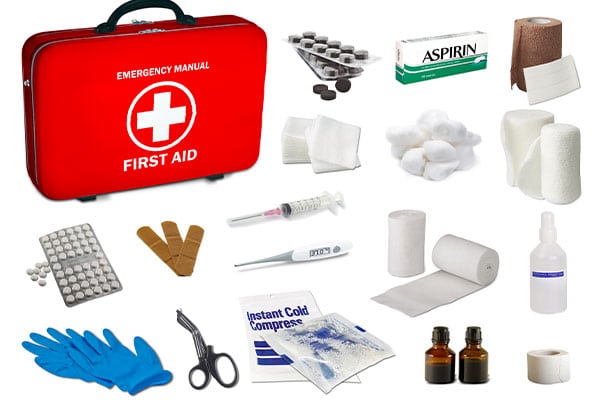
Portable first-aid kit
Portable so it’s easy to carry around the house.
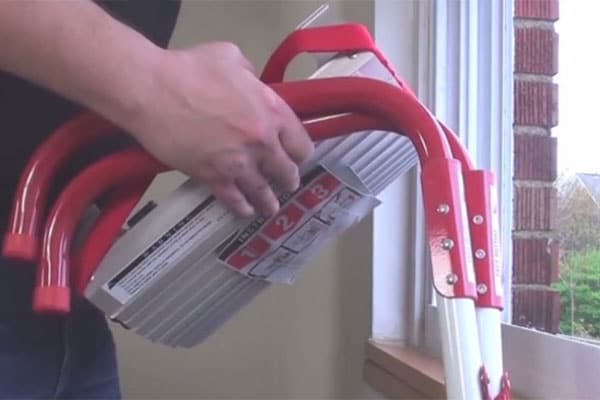
Fire safety ladder
Store the ladder in an accessible location, preferably near a window, so you or your family members will be able to quickly and safely escape the house in the event of fire.
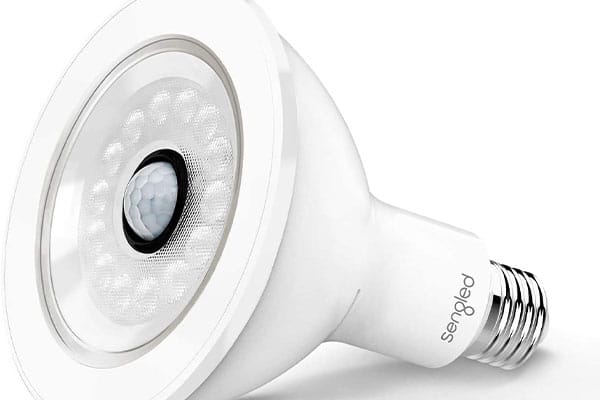
Motion activated lights
Smart-lights activate when motion is detected, deterring those who would rather do their bad deeds in the dark. Couple with security cameras for even greater effect.
Fire-proof safe
A safe can keep these possessions from being stolen in the event of a break-in. Keep a portable safe well hidden.
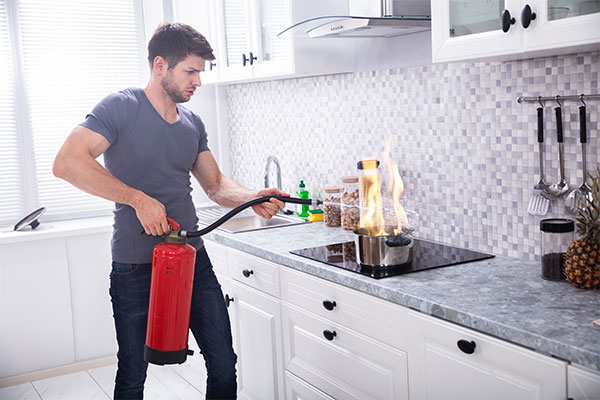
Fire extinguisher
A fire extinguisher is must-have safety essential could save your life. Place it in an easily accessible area so you can quickly and effectively put out a fire.
Fire and Carbon monoxide detectors
Keep your family safe with monitored smoke detectors and CO detectors. Add a monitored smoke detector to your security system for no extra monthly cost with EMC Security.
Security system or cameras
Homes without a security system are 3 times as likely to get broken into. Most burglars surveyed said they’d pass by a home with a visible security camera as well. Security systems are very affordable from just $179 – check out EMC Security’s options here.
-

Top 10 Holiday Safety Tips
Holiday Fire Safety Tips
The Electrical Safety Foundation International (ESFI) together with the National Fire Protection Association (NFPA) put together some tips for staying safe during the holidays.
1. Inspect electrical decorations for damage before use. Cracked or damaged sockets, loose or bare wires, and loose connections may cause a serious shock or start a fire.
2. Do not overload electrical outlets. Overloaded electrical outlets and faulty wires are a common cause of holiday fires. Avoid overloading outlets and plug only one high-wattage into each outlet at a time.
3. Never connect more than three strings of incandescent lights. More than three strands may not only blow a fuse, but can also cause a fire.
4. Keep trees fresh by watering daily.Dry trees are a serious fire hazard.
5. Use battery-operated candles. Candles start almost half of home decoration fires.
6. Keep combustibles at least three feet from heat sources. A heat sources that was too close to the decoration was a factor in half of home fires that began with decorations (NFPA).
7. Protect cords from damage. To avoid shock or fire hazards, cords should never be pinched by furniture, forced into small spaces such as doors and windows, placed under rugs, located near heat sources, or attached by nails or staples.
8. Check decorations for certification label.Decorations not bearing a label from an independent testing laboratory such as Underwriters Laboratories (UL), Canadian Standards Association (CSA), or Intertek (ETL) have not been tested for safety and could be hazardous.
9. Stay in the kitchen when something is cooking. Unattended cooking equipment is the leading cause of home cooking fires.
10. Turn off, unplug, and extinguish all decorations when going to sleep or leaving the house. Unattended candles are the cause of one in five home candle fires. Half of home fire deaths occur between the hours of 11pm and 7am.
-

How to Have A Safe Halloween
Halloween is one of the nights of the year that children anticipate most — and with so much at stake, it’s easy to understand why. After all, when else do kids get to dress up as their favorite character, stockpile loads of candy, and venture past their bedtime?
Halloween Safety Checklist
As parents, you want your children to enjoy a ghoulie night of fun, but not at the expense of risking their safety. Fear not — we’ve put together the ultimate checklist for keeping tots, teens and everyone in between, safe on Halloween.
1. Remove tripping hazards
Halloween-goers are much too busy tallying up their candy to focus their attention on where they’re walking, so be sure to examine your lawn for potential hazards. Be sure your yard is free of tripping hazards like garden tools and sprinklers. If your home has a lawn watering system, be sure to turn it off a few days prior to the big night to prevent your lawn from being wet.
2. Avoid using candles
Festive lights make your home bright and friendly to treat-a-treaters but using candles to brighten a pumpkin can be unsafe. Costumes and paper can easily ignite if they come into close contact with an open flame. Instead of traditional candles, opt for artificial ones that are powered by batteries.
3. Consider candy choices
Buying candy is almost as fun as eating the leftovers, but keep in mind that not all candy is suitable for every child. Avoid sweets that pose a choking threat for toddlers and avoid treats that might trigger peanut allergies. Even if the candy doesn’t contain peanuts, it could be made in a facility that handles peanuts, so be sure to check product labels for any potential allergy warnings.
4. Turn on the lights
A vaguely lit entryway helps set the mysterious mood of Halloween, but it also raises the chance of an accident. Verify that theexterior lightsof your home are working and consider turning on floodlights to brighten the darkest areas of your yard.
Even if you’re not going to be home, leave on lights for safety reasons or make sure your motion sensor lights are active to deter unwanted visitors from vandalizing your home. And, if you won’t be there, make sure to arm yoursecurity system, just to be on the safe side.
5. Don’t put out candy
Perhaps you won’t be home on Halloween or maybe it’s challenging for you to answer the door, so you’ve put out a bowl of candy for treat-a-treaters to assist themselves. Understandably, this seems like a kind thing to do but someone could taint the candy. It’s probably unlikely, but it’s certainly not worth taking the gamble.
6. Make room in the garage
Statistics show that children are four times more likely to be struck by a car on Halloween than any other day of the year. As such, parking your car and trick or treating on foot is a good idea.
7. Use discretion when opening the door
Finally, while nearly all trick-or-treaters are innocent kids out to collect as much candy as they can possibly carry, you must still be cautious of opening your door during the night. If you have an uneasy feeling about the person on the other side of your door, listen to your instinct and don’t open it. And as the flow of trick-or-treaters dwindles to just a few here and there, it’s a good idea to stop opening the door for the night.
Halloween is celebrated as a frightening holiday, but that doesn’t mean it should be dangerous. Consider our tips and advice to keep trick-or-treaters and your family safe while enjoying a night of Halloween fun.
-

Autumn Home Safety Checklist
As autumn approaches and winter draws near, the days begin to grow shorter making it the perfect time to re-evaluate your home security systems. Are there any aspects of your home security you need to tweak or change in order to keep potential burglars at bay? If soo, what do you need to do to ensure your home is safe?
Check All Points of Entry & Security Equipment
Check Your Windows and Doors – Make sure to check all windows and doors to ensure all locks are working. Think about whether you need any additional security measures such as safety restrictors for certain areas of the home.
Are Home Security Systems Working – Whether alarms to signal unlawful entry or door intercom systems to see and hear who is entering your home, verifying all home systems are working and up to date is an important part of your checklist.
Lock-up Outdoor Areas – If you have a garage, standalone structure, or gates to the side or exterior of your home, ensure that all padlocks are in working order. If necessary, upgrade your home by investing in additional locks if you don’t already have them.
For more information about home security tips for this winter, speak to one of our experts at EMC Security.